
Lyridmeteor shower: What to know
In late April, skywatchers in the northern hemisphere will get a view of 2018’s Lyrid meteorshower Here is whatever you require to know about this year’s starryspectacle
Stargazers are going to value these April showers.
Night skies in the Northern Hemisphere are going to shimmer with meteors this month as the yearly Lyrid meteor shower puts on a spectacular show– with 10 to 20 meteors per hour at its peak.
“The number of meteors can vary, and very rarely ‘storm,’ but on a very dark and moonless night there are usually up to 20 good meteors an hour,” according to NASA’s Jet Propulsion Laboratory “This year’s peak should be relatively free of bright moonlight as the moon will set before the peak of the shower.”
TheLyrid meteor shower has actually supposedly been around 2,700 years, making it among the earliest meteor showers on record. It generally hits Earth around April 16 through April 25.
Here’s whatever you require to know about the starryspectacle
How are meteors formed?
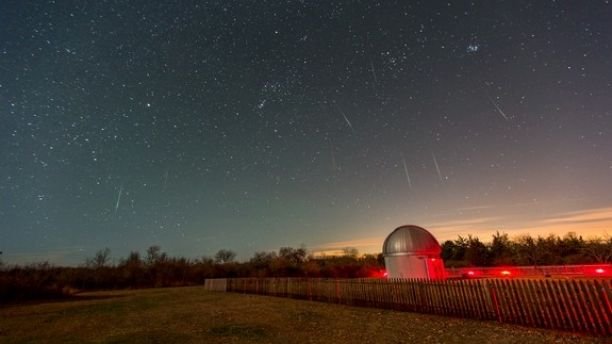
ManishMamtani( A meteor kinds when a meteoroid goes into Earth’s environment.)
A meteor kinds when a meteoroid, a kind of area rock that breaks off from an asteroid– a rocky body orbiting the sun– goes into Earth’s environment. As quickly as the area particles crosses over, it breaks down into what researchers call a “meteor,” which then vaporizes and– as an outcome of friction– looks like a brilliant streak of light in the sky.
“Because of their appearance, these streaks of light some people call meteors ‘shooting stars,'” NASA discusses in an article online. “But scientists know that meteors are not stars at all — they are just bits of rock!”
What is a Lyrid meteor, particularly?
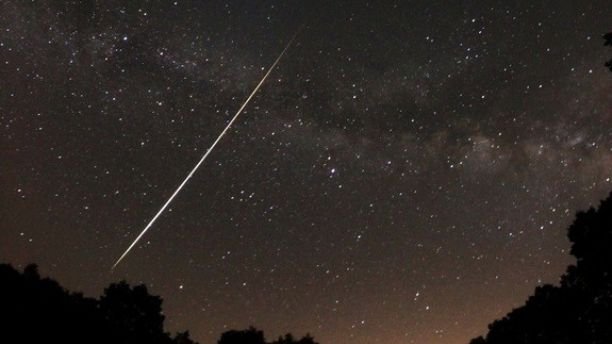
Lyrid meteors are little pieces of rock that broke off of Comet Thatcher.(BrianEmfinger)
Lyrid meteors are little pieces of rock that break off of Comet Thatcher, “a long-period comet that orbits the sun about once every 415 years,”Space com reports.
TheEarth crosses Comet Thatcher’s course every year around April, triggering a “shower” of meteors to fall from the sky as it clashes “with a trail of comet crumbs,” the area website discusses.
What’s a meteor “outburst”?
Occasionally a meteor shower turns into a storm, dropping up to 1,000 meteors per hour. This occurence is uncommon, however, and frequently hard to forecast.
“People say there is some periodicity there, but the data doesn’t support that,” NASA meteor specialist Bill Cooke informedSpace com, including that these so-called “outbursts” are normally a minimum of 30 years apart.
When can I see the Lyrid meteor shower?
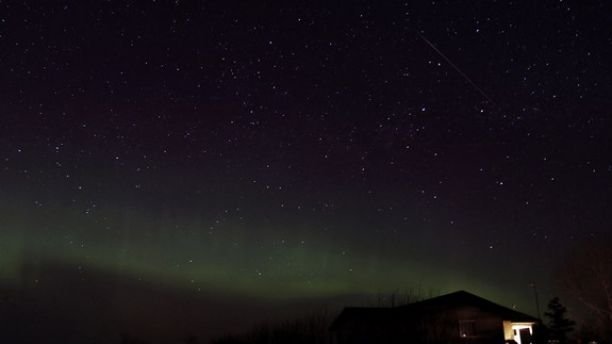
BillAllen(Catchthe Lyrid meteor shower at its peak on April 22.)
You can find meteors in the sky from April16 through April 25, though the shower peaks prior to dawn– from 12 a.m. to 5 a.m.– on April 22.
How can I view it?
Unlike solar eclipses, which needs unique devices to view the astrological occasion, you do not require anything to area this celestial occasion.
“Get to a dark spot, get comfortable, bring extra blankets to stay warm, and let your eyes adjust to the dark sky,” NASA recommends. “A cozy lounge chair makes for a great seat, as does simply lying on your back on a blanket, eyes scanning the whole sky.”
The meteors will begin to form around the brightest star in the constellation Lyra, which is formed like a harp. However, NASA suggests focusing on an area in the sky far from the constellation, as they will “appear longer and more spectacular from this perspective.”
.